

Contact Us

Email us at contact@restaurantsprofitsystems.com

Restaurant tools background

Restaurant Tech Stack

Top POS and Booking Software 2026

Real costs, pros & cons, and direct vendor links. If you're comparing us to Restaurant365, MarginEdge, or other big stacks, start with our Us vs Them breakdown.

Join the RPS Weekly Newsletter

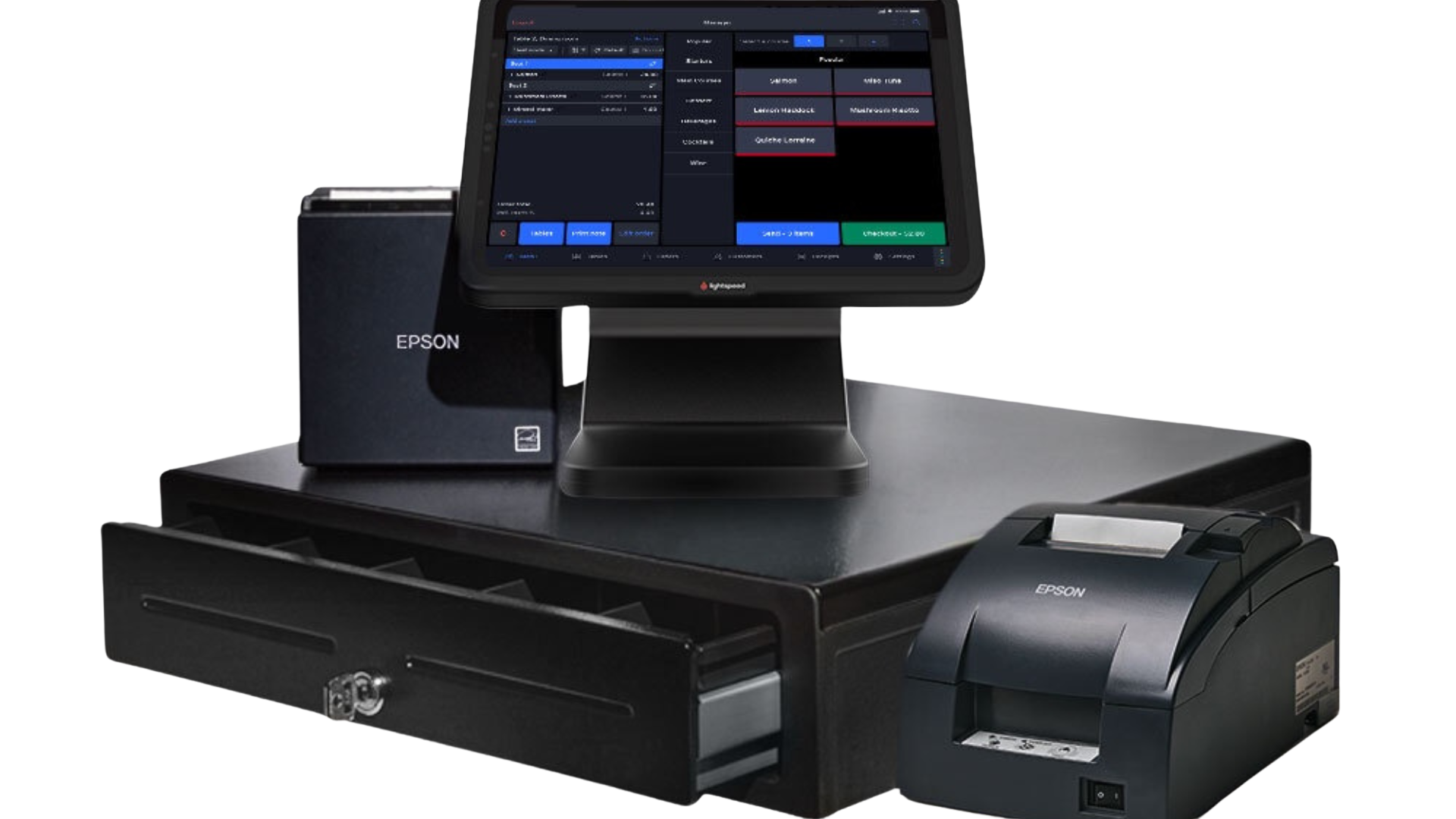
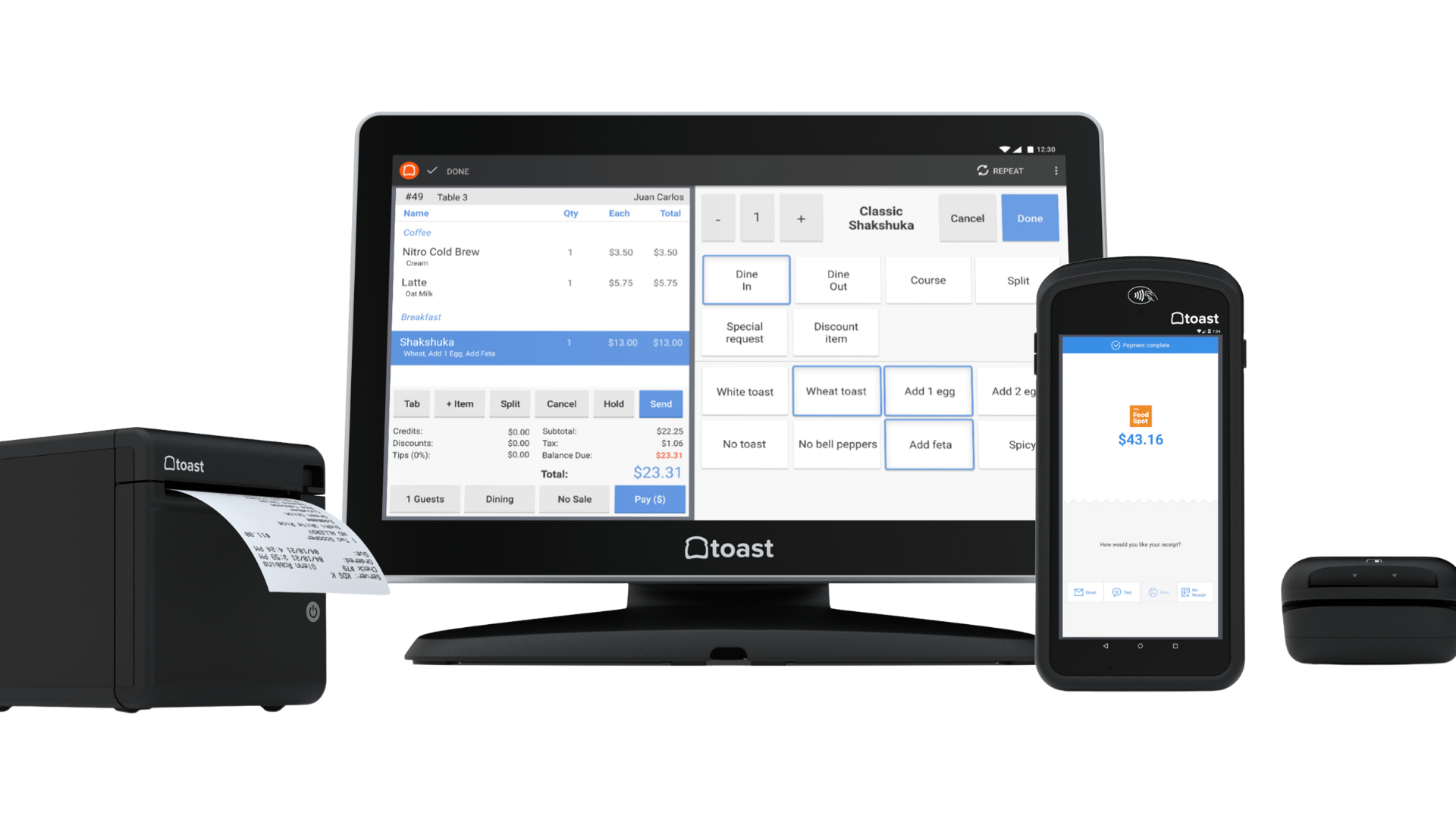
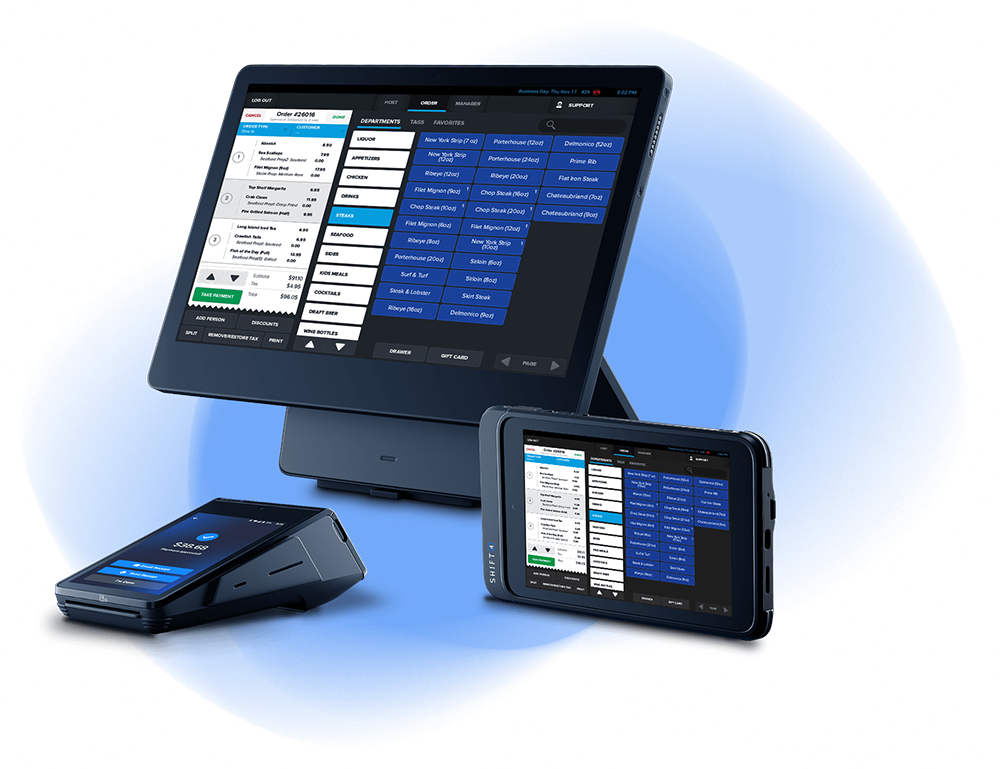
Point of Sale

Which POS System Is Best for My Restaurant?

Side-by-side costs, real processing fees, and honest pros/cons — so you stop overpaying for features you'll never use.

Must-Have Features

  • Tableside speed: offline mode, quick mods, split checks
  • Menu engineering: item margins, recipe costing, ideal vs actual COGS
  • Inventory links: depletion by recipe, vendor price tracking
  • Kitchen performance: KDS bump times, expo view
  • Staff control: roles, void/comp controls, audit logs

Owner Outcomes

  • Lower food cost variance and tighter portion control
  • Faster turns and higher average check
  • Cleaner books with fewer end-of-day surprises
  • Less theft via permissions and audit trails
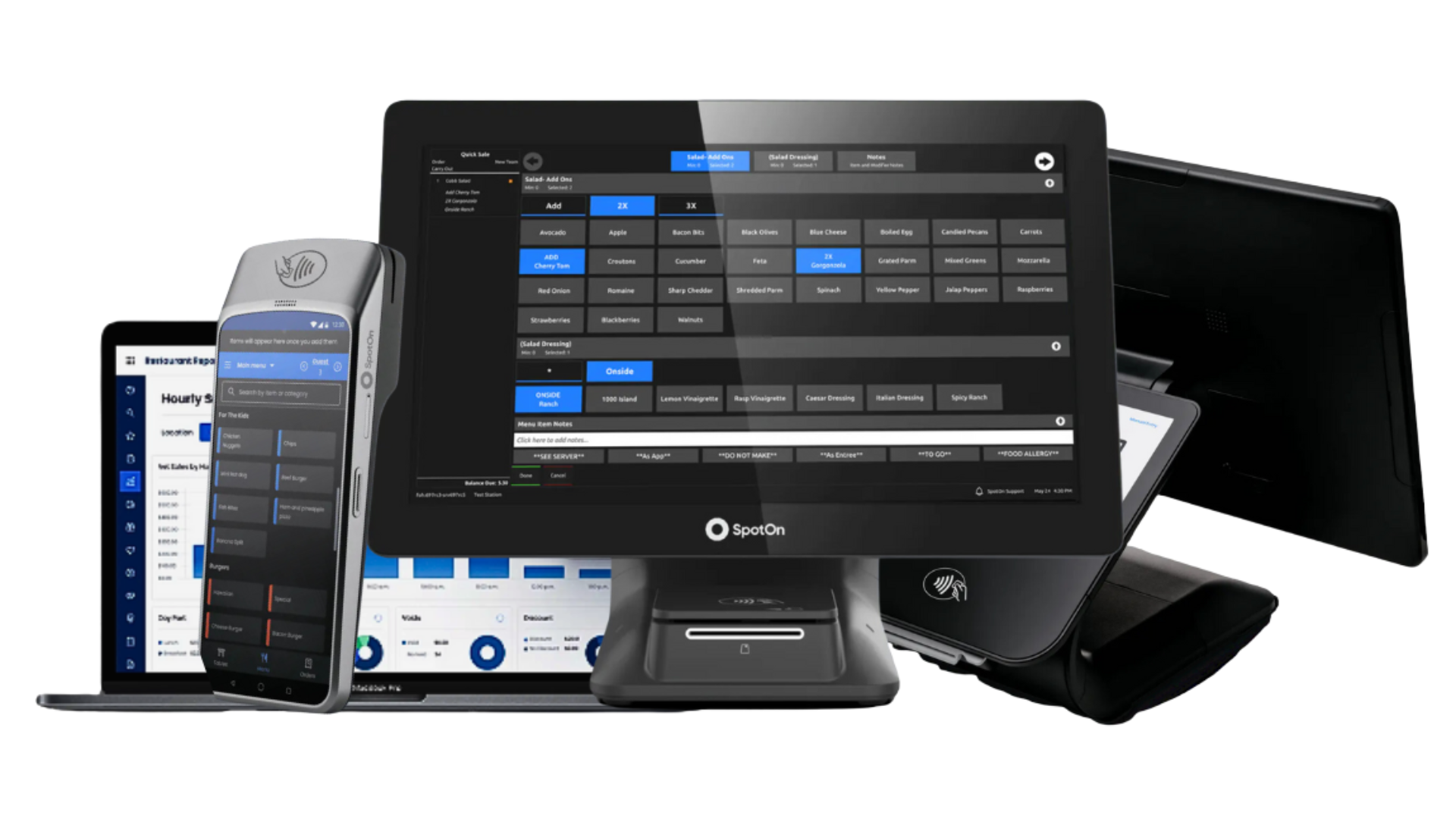
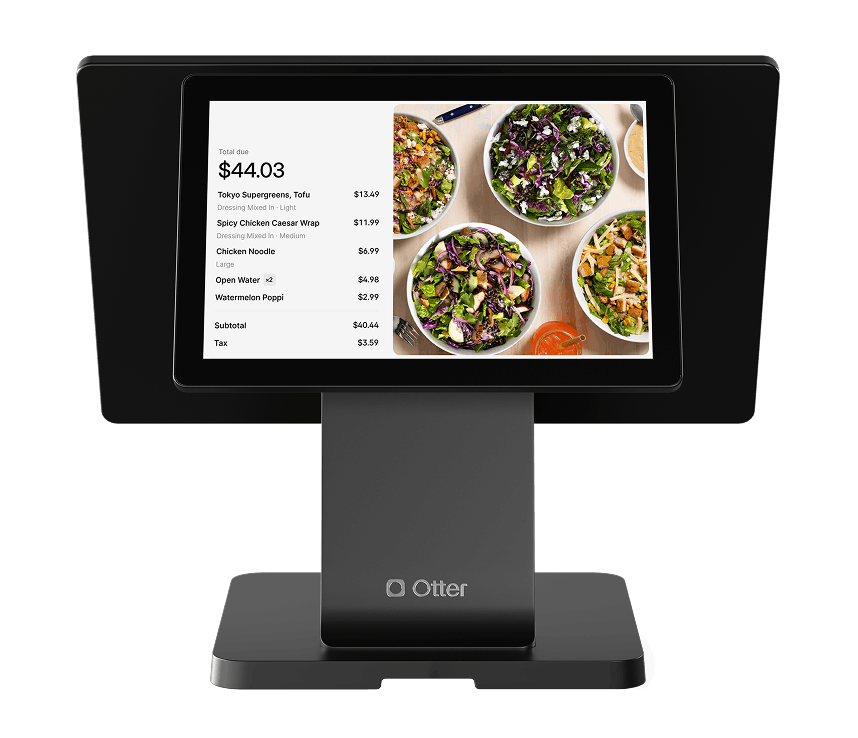
FeaturesTouchBistroSkyTabOtterCloverToastSpotOnLightspeed
Payroll
Inventory
Online ordering
Self ordering
Handheld
Reservations
App marketplace
3rd-party processing
Loyalty & gift
KDS
Delivery
Multi-location
API & webhooks
Offline mode
Table mgmt
Menu mgmt
Advanced reporting
Curbside & pickup

Check Your Effective Rate →

Reservations & Waitlist

How Do I Stop No-Shows From Killing My Friday Night?

Deposits, smart waitlisting, and guest CRM tools that cut no-shows and fill cancellations fast — compared side by side.

Core Capabilities

  • Smart waitlisting & pacing with two-way SMS
  • Deposit/hold options to cut no-shows
  • Marketplace visibility (Google, social)
  • Guest CRM: notes, tags, visit history, VIP flags
  • POS sync, vouchers, API/webhooks

Owner Outcomes

  • Higher show-up rates and steadier covers
  • Repeat visits via guest profiles & follow-ups
  • Cleaner staffing forecasts
FeaturesSetmoreAppointySimplyBookTock
Online booking
Waitlist & reminders
Deposits & tickets
Guest CRM
Memberships
API & webhooks
Marketplace
Google & social booking
Lightspeed POS
Toast POS two-way

Online Ordering

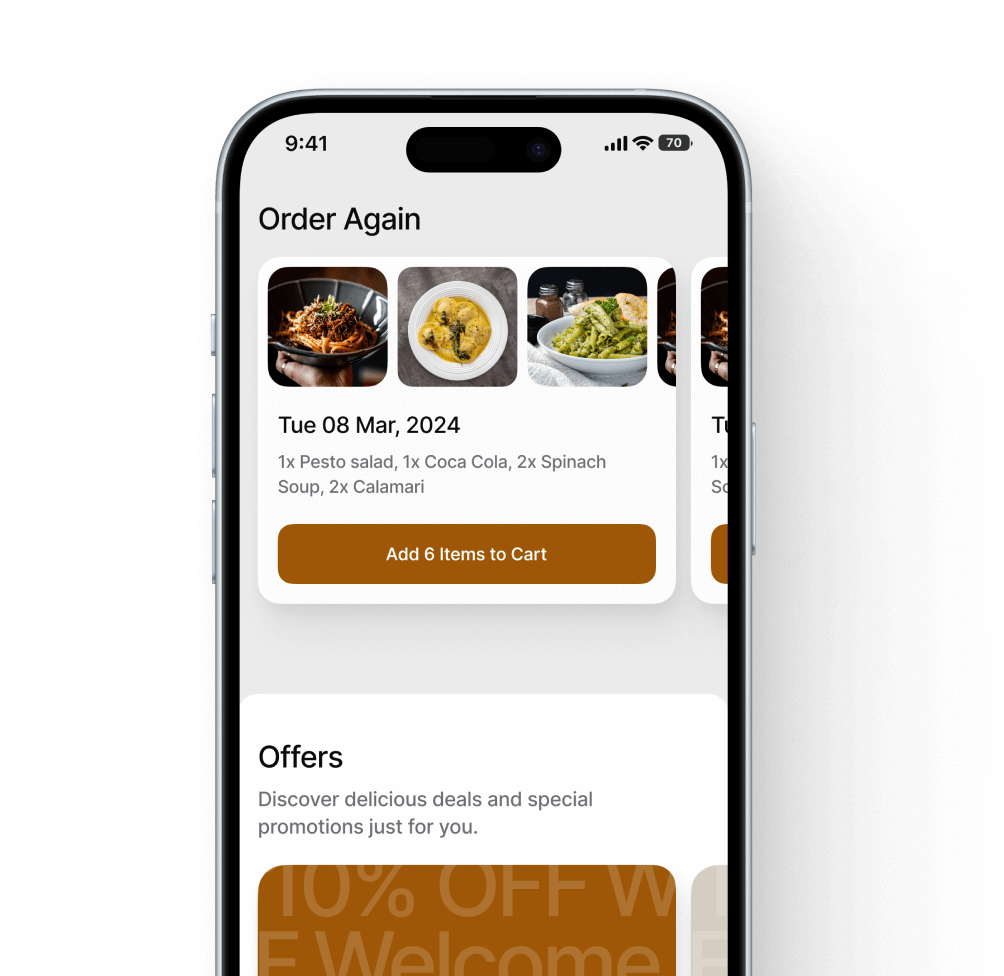
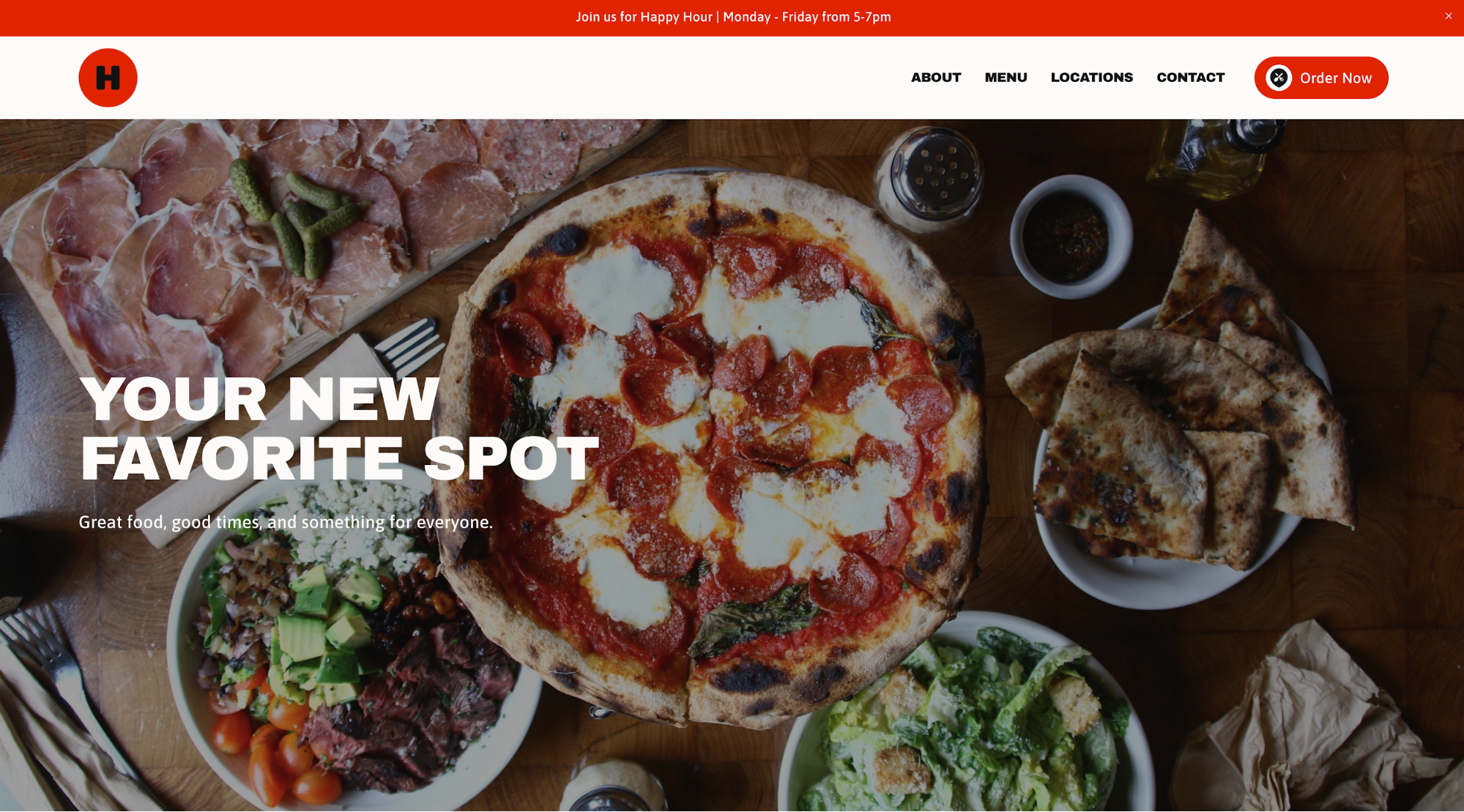
Commission-Free Ordering Software

Keep 100% of your profits with branded websites and apps that you own.

Equipment & Supplies

Where Can I Buy Restaurant Equipment Without Getting Ripped Off?

Vetted vendors for kitchen buildouts, smallwares, and supplies — with real pricing and lead times.

KaTom & More

KaTom equipment collage

Why We List Equipment Partners

  • National inventory and fast shipping
  • Competitive pricing on back-of-house needs
  • Trusted brands and warranty support

Common Questions

Frequently Asked POS & Software Questions

Real answers to what restaurant owners ask before switching systems.

How do I know if I'm overpaying on credit card processing fees?

Pull your last three merchant statements and divide total fees by total volume processed. That's your effective rate. If it's above 2.9% for a typical restaurant card mix, you're likely overpaying. Most processors quote low "qualified" rates but bury fees in statement charges, PCI compliance, and downgrades. Use our Effective Rate Calculator to see your real number.

What's the difference between flat-rate and interchange-plus pricing?

Flat-rate (like Square's 2.6% + 10¢) charges the same regardless of card type. Simple, but you overpay on debit cards. Interchange-plus passes through the actual card cost plus a fixed markup — typically cheaper for restaurants doing $30K+/month, but statements are harder to read. If your volume is under $20K/month, flat-rate is usually fine. Above that, interchange-plus often saves 0.2–0.4%.

Can I switch POS systems without losing my sales history?

Most POS platforms let you export historical data as CSV before you cancel. The new system usually can't import it directly into their reports, but you'll have it for your records. The real pain is re-entering your menu, modifiers, and employee permissions. Budget 2–4 hours for setup on a simple menu, longer for complex operations. Ask your new vendor about data migration support — some offer it free during onboarding.

Do I need a separate reservation system or should I use what's built into my POS?

Depends on your volume. If you're doing under 50 reservations a week, the built-in tools in Toast, SpotOn, or Lightspeed are usually enough. But if no-shows are killing your Friday nights or you want prepaid deposits and guest CRM features, a dedicated platform like Tock pays for itself fast. The key question: are you losing more than $300/month to no-shows? If yes, a reservation system with deposits is worth it.

What should I look for in a POS system for a new restaurant?

Focus on three things: (1) offline mode so you can still ring sales when internet drops, (2) menu modifier flexibility so your servers aren't fighting the system during rush, and (3) reporting that shows item-level sales and labor percentage without exporting to Excel. Skip features you won't use in year one — you can always add inventory management or loyalty programs later. Most importantly, understand the contract: watch for early termination fees and processing minimums.

Is commission-free online ordering actually worth it?

If you're doing $5K+/month through DoorDash or UberEats, yes. Third-party apps take 15–30% per order. A commission-free platform like Owner.com or ChowNow charges a flat monthly fee instead — usually $200–500/month. Do the math: if you're paying $1,500/month in commissions, switching saves $1,000+/month. The tradeoff is you lose marketplace discovery, so it works best for restaurants with existing customer bases who just need a better ordering channel.

Ready to Pick Your Stack?

Start with one system: menu pricing, food cost, or POS. Stack the rest later.